Health & Wellness Desk
A Realistic Look at Morning Routines That Actually Stick
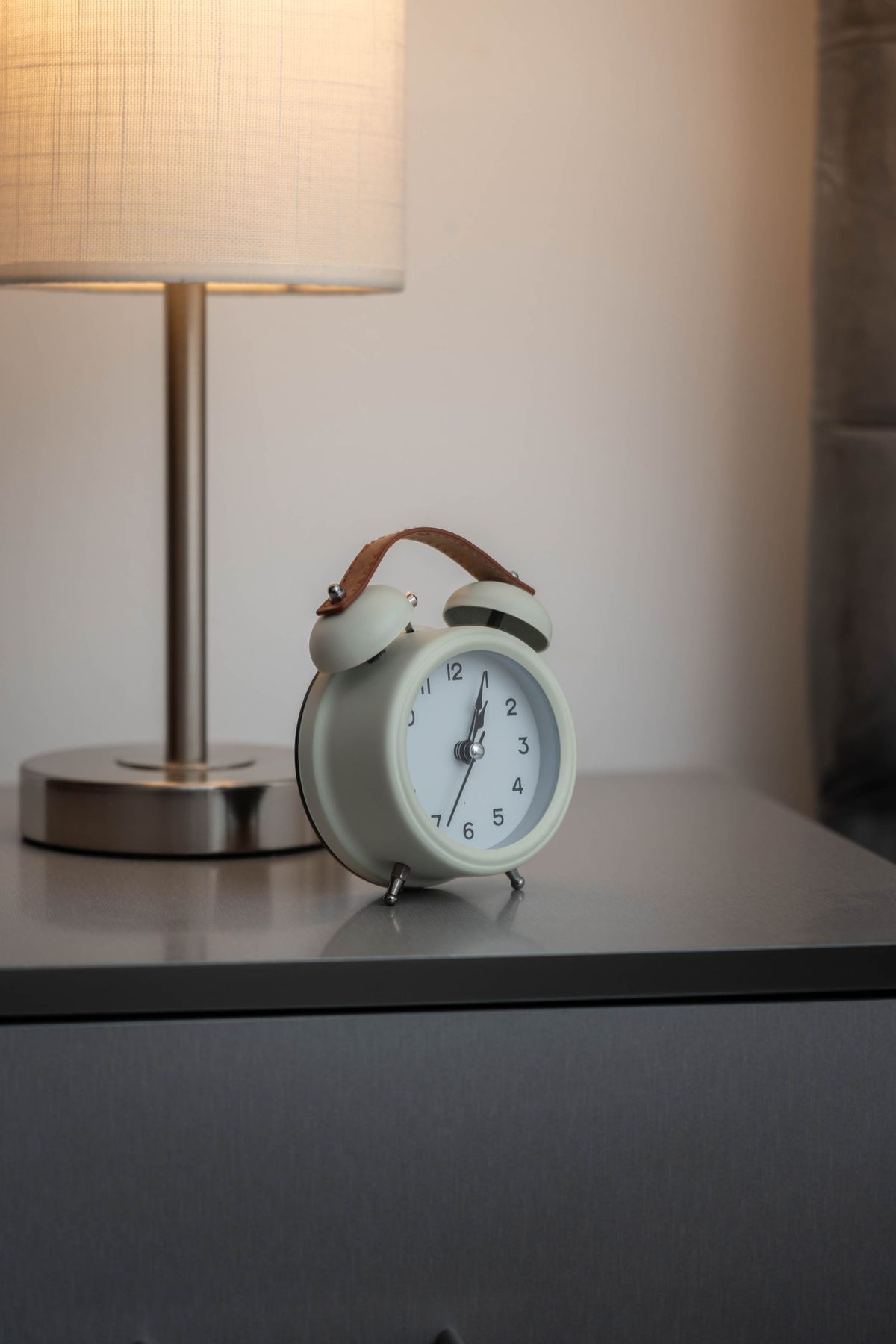
5 a.m. wake-ups, cold plunges, an hour of journaling — most viral morning routines demand more time and discipline than most people can sustain for more than a week. A shorter, more realistic habit is more likely to actually stick.
Why elaborate routines fail
The more steps a routine has, the more likely one gets skipped — and once one step goes, the whole routine tends to unravel within days.

The case for a single, small habit
A single, well-chosen habit that takes seconds rather than an hour is far more likely to survive a busy week, a bad night's sleep, or a change in schedule.
- Why most morning routines don't survive past a few weeks
- What makes a habit realistically sustainable
- The specific 7-second habit this guide focuses on
Individual results vary. This content is educational and is not a substitute for medical advice. Always consult a healthcare professional before making changes to your diet or routine.
Simpler, on purpose
The guide below walks through the exact sequence, built to be realistic rather than impressive.
See the Full Routine
Watch the short presentation for the complete, realistic approach.
Watch the PresentationResults vary from person to person. Not a substitute for medical or nutritional advice.